Key Takeaways
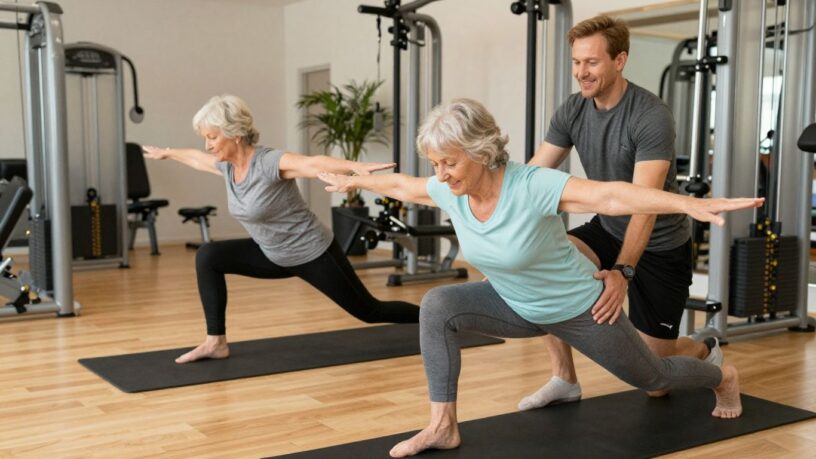
Gym confidence older adults can be built steadily, without rushing or competing. I find that a welcoming setting, realistic goals and patient practice matter more than impressive first sessions.
- Choose a gym where staff explain equipment clearly and respect different abilities.
- Start with manageable movements, gentle warm-ups and plenty of time to learn.
- Treat balance, mobility, pain and health concerns as useful information, not personal failures.
- Track everyday improvements such as easier stairs, steadier walking or carrying shopping.
- Build confidence through repetition, supportive people and a routine that fits real life.
Understand what affects gym confidence in older adults
Confidence rarely appears before the first visit; it usually develops because a person has a few calm, manageable experiences. I encourage older adults to see nervousness as a normal response to an unfamiliar place, rather than proof that the gym is not for them. The right pace can make exercise feel less like a test and more like learning a practical skill.
Common fears about starting at the gym
Many people worry about looking inexperienced, using equipment incorrectly or being judged by others. Some fear falling, becoming breathless or not knowing where to begin. I usually suggest naming the specific worry, because “the gym feels intimidating” is difficult to solve, while “I do not know how to adjust the bike” has a clear answer.
A first visit does not need to involve a hard workout. I can walk through the entrance, ask for an orientation, look at the changing area and practise one or two simple movements. Familiarity often removes some of the mystery before any exercise begins.
How past exercise experiences shape confidence
A difficult school sports experience, a long break from activity or an earlier injury can influence how someone sees their body. I do not treat those memories as irrelevant. They may explain why a person avoids group sessions, dislikes being watched or expects exercise to be painful.
I prefer to start from present ability rather than past performance. A person who was once very active does not have to return at that level immediately, and someone who has never enjoyed sport can still learn useful strength and balance exercises. Each comfortable session gives the mind new evidence about what is possible now.
The role of mobility, balance, and health concerns
Stiffness, reduced balance, breathlessness or a health condition can make an unfamiliar gym feel especially demanding. These concerns deserve practical planning, not embarrassment. I would discuss relevant limitations with a qualified professional and ask the gym how exercises can be adapted.
I also look at the journey through the building: the floor surface, seating, lighting, steps and distance between equipment. Confidence is easier to maintain when I am not spending all my attention worrying about getting around safely. A slower start can be a sensible start.
Why confidence grows through gradual exposure
Gradual exposure means meeting the setting in small, repeatable steps. I might begin by visiting at a quiet time, then learn one machine, then complete a short session. This approach allows technique and comfort to improve together.
The goal is not to eliminate every nervous feeling before beginning. It is to make the next step small enough that I can take it, notice what went well and return with a little more familiarity.
Choose a gym and program that feel comfortable
The best gym for me is not necessarily the largest or most fashionable one. It is a place where I can ask basic questions without feeling hurried and where staff understand that older adults may need adjustments. I would visit before joining, observe the atmosphere and check whether the practical details suit my body and routine.
What to look for in an age-friendly gym
I look for clear walkways, stable flooring, accessible toilets, seating and equipment that can be adjusted without excessive force. A calm layout and readable controls can make a surprisingly large difference. I also notice whether members and staff greet newcomers respectfully.
A suitable gym should be willing to explain how it supports people with different fitness levels. I would ask about quieter hours, introductory sessions and whether there are classes aimed at older adults or beginners. These details can matter more than the number of machines available.
Questions to ask about trainers and supervision
Before joining, I would ask who leads the induction, what experience the trainers have with older adults and how they respond when an exercise causes discomfort. I would also ask whether a trainer can demonstrate alternatives rather than simply telling me to push through.
Useful questions include:
- How will you learn about my current ability and exercise history?
- Can you show me how to adjust each machine I am likely to use?
- What support is available if I need to change an exercise during a session?
- Who should I speak to if I have a concern about technique or comfort?
The answers tell me a lot about the gym’s culture. I want clear, patient explanations and a willingness to work within sensible boundaries, not pressure to perform.
Comparing group classes, personal training, and independent workouts
A group class can provide structure and social contact, but I would check that the instructor offers modifications and does not expect everyone to move at the same pace. Personal training may provide closer attention, while independent workouts offer flexibility and privacy. None is automatically the right choice for every person.
I can also combine approaches. For example, I might attend a gentle class once a week and complete a short independent session on another day. The useful question is which format helps me attend consistently and feel capable while I am there.
How gym accessibility and equipment affect comfort
Equipment should be easy to approach, adjust and leave. I look for machines with clear settings, enough room around them and handles that feel secure. If getting on or off a machine feels awkward, I ask for another option rather than forcing the movement.
I would also check whether the gym has benches, rails or other places to pause. Comfort is not a luxury when I am learning. It gives me room to concentrate on posture, breathing and control.
Prepare for your first gym visit
A little preparation can prevent the first visit from becoming an overwhelming event. I prefer to decide what I want from the session before I arrive: perhaps a tour, an explanation of two machines and a gentle warm-up. That is a successful introduction, even if I do no formal workout.
Setting realistic expectations for the first session
I do not expect to feel completely confident after one visit. I expect to learn where things are, meet a staff member and discover how my body responds to a new environment. Some sessions will feel smoother than others, and that is part of learning.
I also leave room for rest. A short session that ends with energy still available is often more useful than an ambitious session that leaves me discouraged or excessively sore.
What to wear, bring, and ask before arriving
I choose comfortable clothing that allows easy movement and supportive footwear suited to the planned activity. I bring water, any membership information requested by the gym and a list of questions I do not want to forget. If I use a walking aid, I check whether it can be kept safely nearby.
Before arriving, I ask about parking, entry points, changing facilities, induction requirements and the quietest times to visit. Knowing these details reduces decisions on the day and lets me focus on learning.
Planning a low-pressure introduction to the facility
I like to map out the visit in advance. I might enter, speak with reception, take a tour, adjust one piece of equipment and practise an easy movement before leaving. This creates a clear beginning and end, which can make the gym feel more manageable.
I would avoid booking the first session immediately before an important appointment. A little spare time means I can move slowly, ask questions and pause when needed instead of feeling rushed.
How a friend or family member can provide support
A friend or family member can come along for the first visit, help remember instructions or simply make the journey feel familiar. I would agree beforehand on the kind of support I want. Encouragement is helpful; taking over every decision can make it harder to develop independence.
After the visit, I might talk through what felt comfortable and what needs changing. That conversation can turn a vague worry into a practical plan for the next session.
Learn how to exercise safely and effectively
Safe exercise is not about avoiding effort altogether. It is about choosing a level I can control, learning sound movement patterns and paying attention to how I feel during and after the session. I take a gradual approach, particularly when returning after illness, injury or a long period of inactivity.
Starting with warm-ups and basic movement patterns
I begin with gentle movement that prepares the joints and raises my temperature gradually. This might include easy walking, light cycling or controlled movements for the shoulders, hips and ankles. I avoid treating the warm-up as a race.
I then focus on basic patterns such as sitting and standing, pushing, pulling, stepping and carrying. Learning these with control gives me a foundation for more exercises and helps me notice where I need extra support.
Choosing appropriate weights, resistance, and repetitions
I choose a load that allows steady form and controlled breathing. The last repetition may feel challenging, but I should not need to jerk, hold my breath or lose my position to complete it. I can ask a trainer to check whether the resistance is suitable.
There is no prize for selecting the heaviest weight. Control matters more than load when I am learning, managing a joint concern or rebuilding confidence. I would increase resistance only when the current level feels consistently manageable.
Using machines and free weights with proper form
Machines can guide a movement, but they still need to be adjusted to my body. I ask for a demonstration and check where my feet, back and hands should be placed. With free weights, I start with an object I can hold securely and keep the movement small enough to control.
I pay attention to alignment and avoid copying another person’s pace. A trainer should be able to explain what the exercise is meant to do and offer a simpler version when necessary.
Recognizing the difference between effort and warning signs
Muscle effort, a warmer body and heavier breathing can be normal parts of exercise. Sharp pain, sudden dizziness, unusual chest discomfort, faintness or a feeling that something is seriously wrong are different. I stop and seek appropriate help rather than trying to prove I can continue.
I also notice how I feel later that day and the following day. Mild tiredness may be expected, but persistent or worsening symptoms deserve attention and a change of plan.
When to seek medical or professional guidance
I seek guidance before starting or changing exercise if I have a medical condition, a recent injury, significant balance concerns or symptoms I do not understand. A GP or suitable health professional can help me decide what information a trainer needs.
I do not rely on a general gym induction to answer medical questions. The trainer can assist with exercise technique and adjustments, while health concerns may require advice from someone qualified to assess them.
Build a consistent exercise routine
Consistency comes from making exercise fit ordinary life, not from relying on perfect motivation. I consider transport, energy, work, caring responsibilities and other appointments when choosing a routine. A plan that looks modest on paper may be the one I can actually maintain.
Setting small goals that create early wins
I set goals I can observe, such as attending one planned session, learning a new machine or completing a controlled set of movements. These targets provide feedback without making body weight the only measure of progress. Each completed step helps make the next one less daunting.
I keep the first goals specific and forgiving. If I miss one, I adjust the plan rather than deciding that the whole effort has failed.
Choosing a schedule that fits daily life
I look for the time of day when I usually have enough energy and the journey is least complicated. Some people prefer a regular morning visit; I may do better later, when other responsibilities are finished. The best schedule is one I can repeat without constantly negotiating with myself.
I also leave recovery time between demanding sessions. Rest is part of a routine, not evidence that I am not committed.
Using progress tracking without focusing only on weight
A simple record can include the date, activity, duration, how the session felt and any adjustments I made. I might note that I stood from a chair more easily, walked farther before resting or felt steadier carrying a light bag. These changes connect exercise to the life I actually want to lead.
I avoid judging every session in isolation. Progress can be uneven, and a comfortable session after a difficult week still counts as useful information.
Adjusting workouts for energy, pain, or health changes
I modify the plan when my energy, pain or health changes. That may mean shortening the session, reducing resistance, choosing a seated exercise or taking an extra rest day. Adaptation helps me stay engaged without ignoring what my body is telling me.
If a change persists or concerns me, I ask for appropriate professional guidance. I do not try to solve every problem by pushing harder.
Develop confidence through social connection
A gym can feel less intimidating when I know even one familiar face. Social connection is not compulsory, but it can make attendance more pleasant and provide practical reassurance. I look for people who are respectful, patient and comfortable with different starting points.
Making conversation and feeling comfortable around others
I begin with small interactions: greeting reception, asking how to adjust a machine or thanking someone who gives me space. I do not need to become sociable with everyone. A few ordinary exchanges can help the setting feel less anonymous.
I also remember that most people are focused on their own workout. If someone behaves dismissively, I can speak with staff or choose another time rather than assuming I do not belong.
Finding welcoming classes for older adults
A class can be a good fit when its description, pace and instructor match my needs. I ask whether exercises can be done seated, whether balance work is supported and how new participants are welcomed. I may observe a class before joining if that option is available.
I prefer instructors who explain the purpose of a movement and offer alternatives without making anyone feel singled out. A friendly atmosphere matters as much as the exercise list.
Handling comparisons with younger or more experienced gym members
I remind myself that another person’s strength, speed or appearance says nothing about my own starting point. People arrive with different histories, bodies and reasons for exercising. My useful comparison is with how I moved, felt or managed daily tasks previously.
I also give myself permission to choose a lighter option. Working within my ability is not a public failure; it is how I build the capacity to progress safely.
Using accountability partners and supportive communities
An accountability partner can help me attend, remember the plan or celebrate a small improvement. We do not need identical workouts. A shared walk to the gym or a brief message after a session may be enough.
I can also look for community groups, gentle classes or local programmes where people value regular participation. Support works best when it encourages consistency without creating pressure or shame.
Maintain motivation as strength and confidence improve
Motivation changes over time, so I do not depend on feeling enthusiastic at every session. I keep returning to the reasons exercise matters to me, whether that is moving around the home more easily, staying independent or feeling steadier. Confidence grows when I notice those practical benefits and continue through ordinary fluctuations.
Celebrating functional improvements in everyday life
I pay attention to useful changes outside the gym. Perhaps stairs feel less demanding, I can carry shopping with better control or I rise from a chair without hesitation. These improvements may seem small, but they are meaningful signs that training is connecting with daily life.
I record them because they are easy to overlook. A list of functional wins can be more encouraging than a scale or a single fitness test.
Preventing boredom with safe exercise variety
Once I am comfortable with the basics, I can vary the setting, order or type of movement while keeping the overall effort sensible. I might alternate machines with free movements, try a gentle class or include balance practice. I change one thing at a time so I know how my body responds.
Variety should add interest, not confusion. I keep familiar exercises in the routine while introducing new options gradually.
Managing setbacks, missed workouts, and plateaus
Illness, travel, family demands and low-energy days can interrupt a routine. I return with a smaller session rather than trying to compensate for missed time. A plateau is also a reason to review the plan, not a reason to abandon it.
I ask what the setback can teach me. Perhaps the schedule is unrealistic, the exercises need adjustment or I need more recovery. A calm review usually gives me a better next step than self-criticism.
Knowing when to increase intensity or try new activities
I consider increasing intensity when I can complete the current exercise with controlled form, steady breathing and no concerning symptoms. I change only one factor at a time, such as resistance, repetitions or duration, and allow myself to assess the result.
A trainer can help me choose the next progression. If I want to try a new activity, I begin with an introduction and keep the first attempt deliberately modest. Confidence is strongest when it is supported by preparation.
Frequently Asked Questions
Is it too late to start going to the gym?
No. I can begin at any age by choosing manageable activities, learning the equipment and building up gradually. The starting point should reflect my current ability rather than an earlier stage of life.
How can I feel less nervous at the gym?
I can visit during a quiet period, request an orientation, write down questions and begin with a short introduction rather than a demanding workout. Repeated, comfortable visits usually make the environment more familiar.
Should I see a doctor before starting exercise?
If I have a medical condition, recent injury, significant symptoms or concerns about my ability to exercise, I seek appropriate professional guidance first. I then share relevant advice with the gym staff or trainer.
What should an older beginner do at the gym?
I would start with a warm-up, simple movement patterns and equipment that a staff member has explained. I keep the effort controlled, rest as needed and focus on learning rather than completing a long session.
How often should older adults exercise?
The right schedule depends on current ability, health, recovery and the type of activity. I choose a manageable routine and build gradually, including rest and lighter days when needed.
What if I have joint pain?
I do not assume that pain should be ignored or pushed through. I reduce or change the movement, stop if symptoms are concerning and seek suitable professional guidance when pain persists or affects normal activity.
How do I stay motivated after missing workouts?
I restart with the smallest realistic step, such as a short session or a planned visit. I review what disrupted the routine, adjust the schedule and treat returning as progress rather than trying to make up for lost time.
